School phone bans work until dismissal. Then kids binge everything they missed. The real answer is bell-to-bed.
March 19, 2026
School phone bans are everywhere right now. And honestly, I get it. Keep phones out of classrooms, reduce distraction, let kids be present. The research supports it. Parents want it. Legislators are pushing it.
But here's what nobody's talking about: the ban stops at 3:15pm.
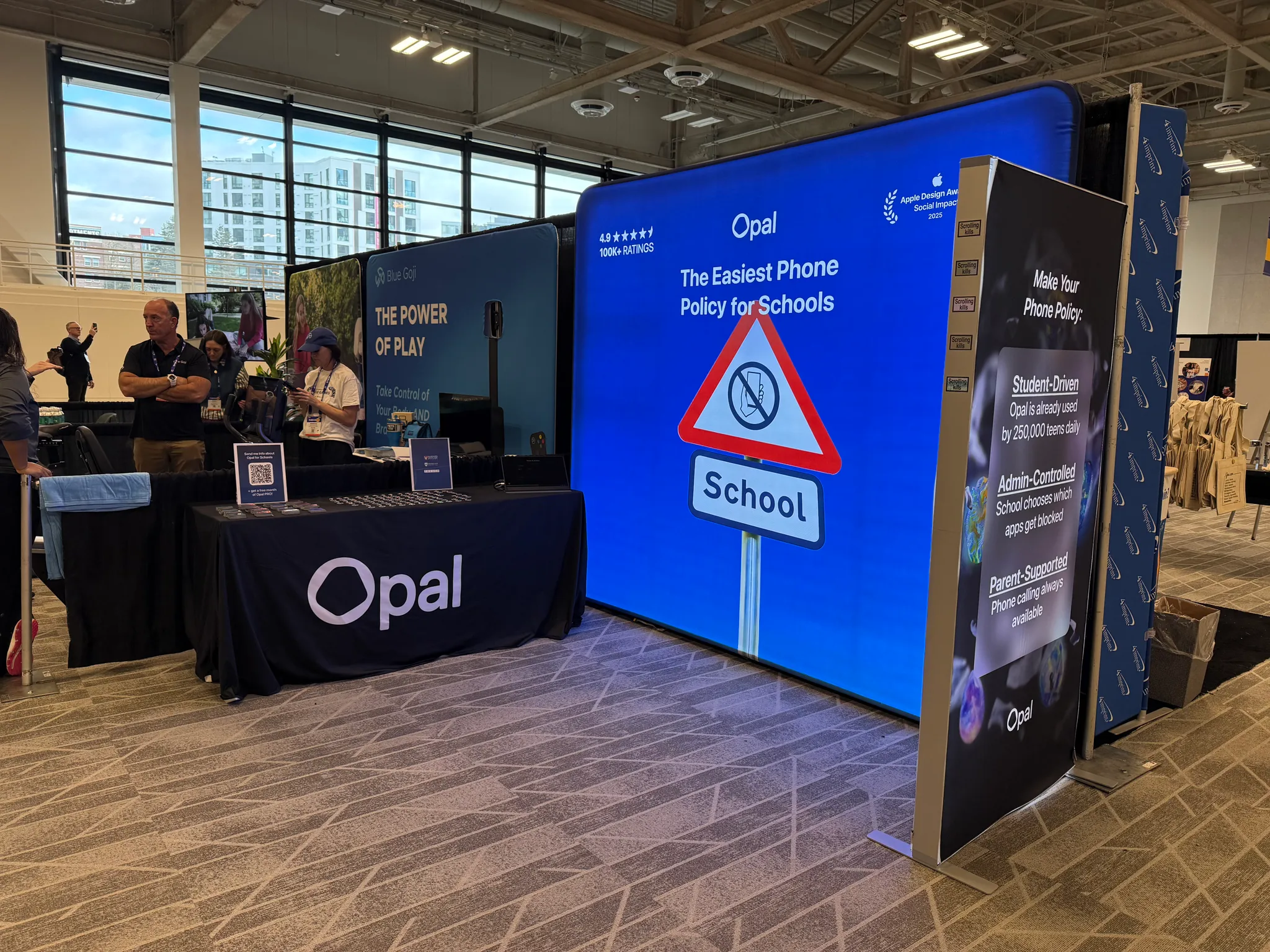
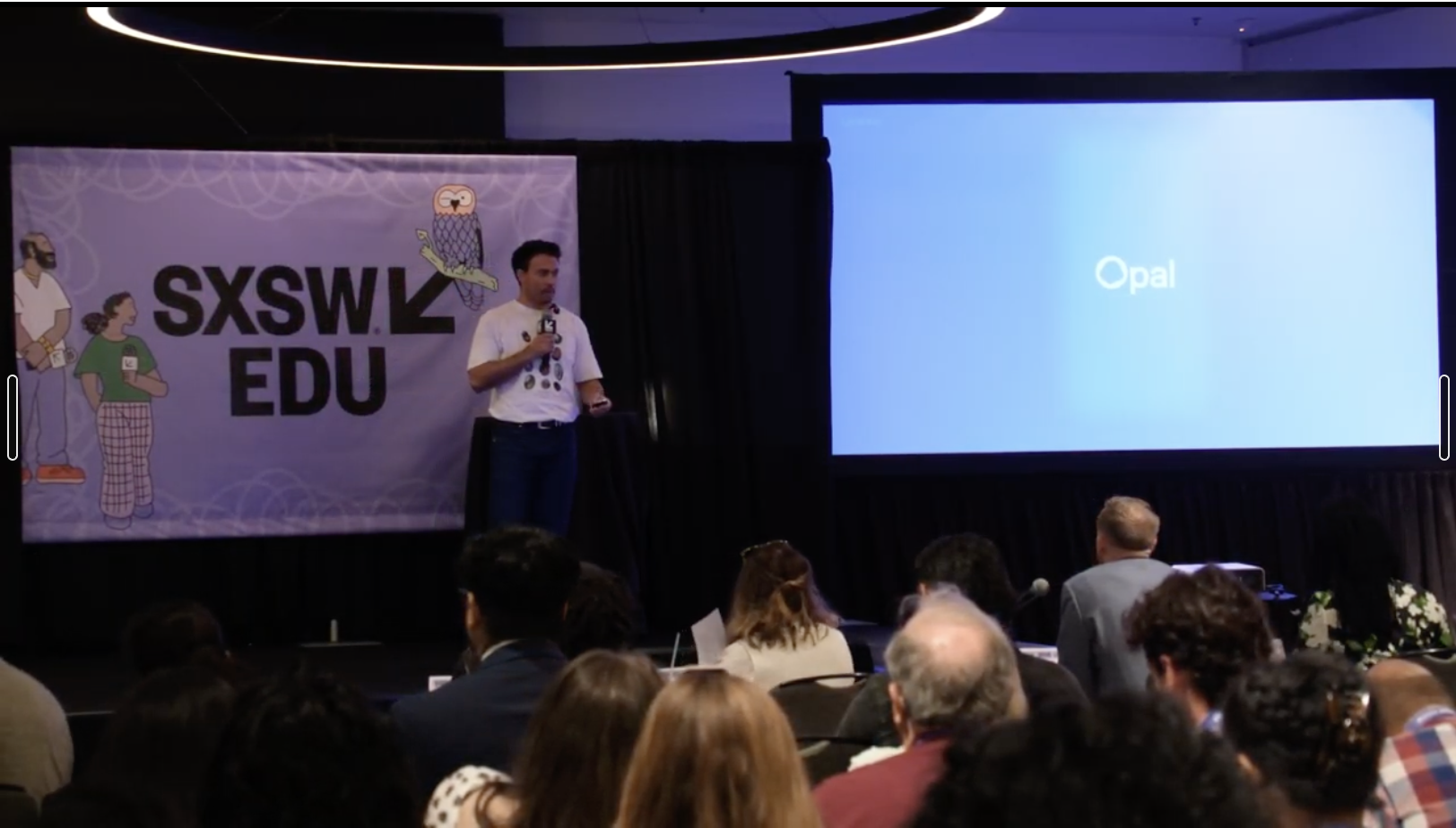
I was at SXSW EDU last week with Andy, our Head of Opal for Schools. We spent days talking to educators, administrators, and policy people about what's actually happening on the ground. And what we kept hearing confirmed what we see in our own data: the moment kids walk out the door, they binge. Hard.
Every minute of TikTok, Instagram, YouTube they "missed" during the day gets consumed in one compressed window between 3pm and bedtime. We're not reducing screen time. We're time-shifting it and making it more intense.
70% of Opal's users are students. Not productivity bros trying to hit deep work sessions — students. They find us on their own because they already know something's off. They feel the pull. They want help. They just don't have the tools.
That's the gap. We're debating policy for the 7 hours kids are in school while leaving them completely on their own for the other 17.
Here's something worth sitting with: recently filed internal documents show how Google viewed its work with schools as a pipeline for turning children into lifelong customers — while simultaneously acknowledging research that YouTube can be unsafe and distracting for young people.
This isn't a conspiracy. It's a business model. The attention economy runs on habits formed young. Schools that think a daytime ban solves the problem are missing what happens the other 17 hours — which is exactly when the platforms make their money.
The consistent theme from every educator we talked to: we know banning isn't enough, but we don't know what comes next.
They're seeing the post-dismissal binge in grades, behavior, sleep. They want something they can hand to students and parents. Not another rule. A tool.
The real question isn't whether kids should use phones. It's: how do you control technology before it controls you?
I don't want to scare a generation away from technology. AI is coming fast, and the next generation will have access to tools that are genuinely extraordinary. I want them to have the skills to use those tools — not be used by them.
That means teaching attention management the same way we teach any other skill. Not through fear. Through practice, with real tools that put agency in their hands.
If the goal is a healthier relationship with technology, a school-hours ban alone doesn't get you there. You need bell-to-bed, not bell-to-bell.
That's what Opal for Schools is built for. Not surveillance. Not another restriction layer. A tool students actually want to use — that gives them visibility into their own attention, and the ability to block what's pulling them off track, on their terms.
If you're an educator, administrator, or parent wondering what the "after 3pm" answer looks like — Andy is talking to schools right now. Reach out at opal.so/for-schools.
The bell-to-bed problem is solvable. But it takes more than a ban.
.png)
.svg)


.jpg)