Social media's tobacco moment is here? What comes next.
March 25, 2026
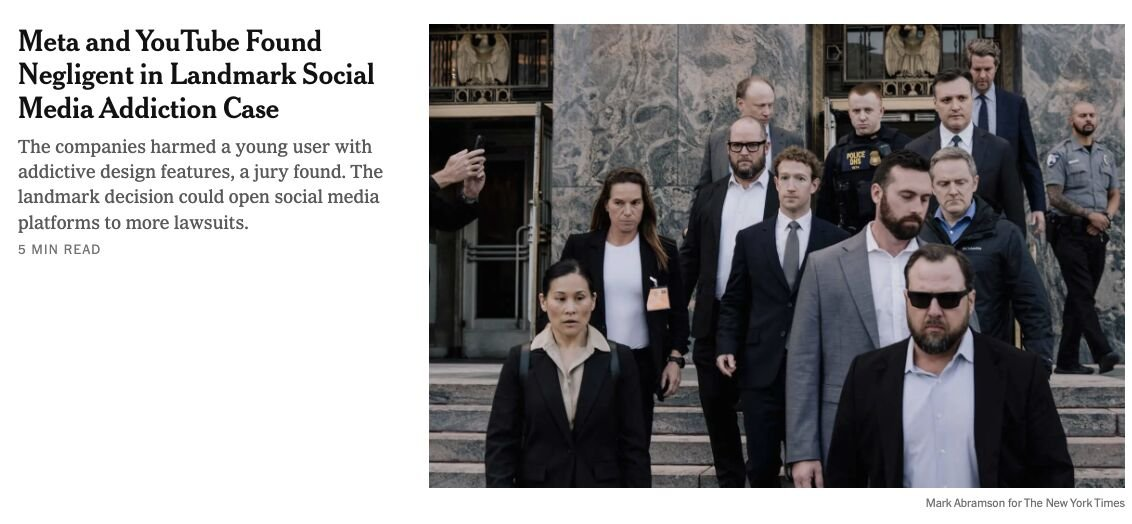
A jury just found social media companies negligent not for content, but for its design choices. Specifically: building addictive product features that contributed to a young user’s mental health harm.Infinite scroll. Algorithmic recommendations. Auto-play.
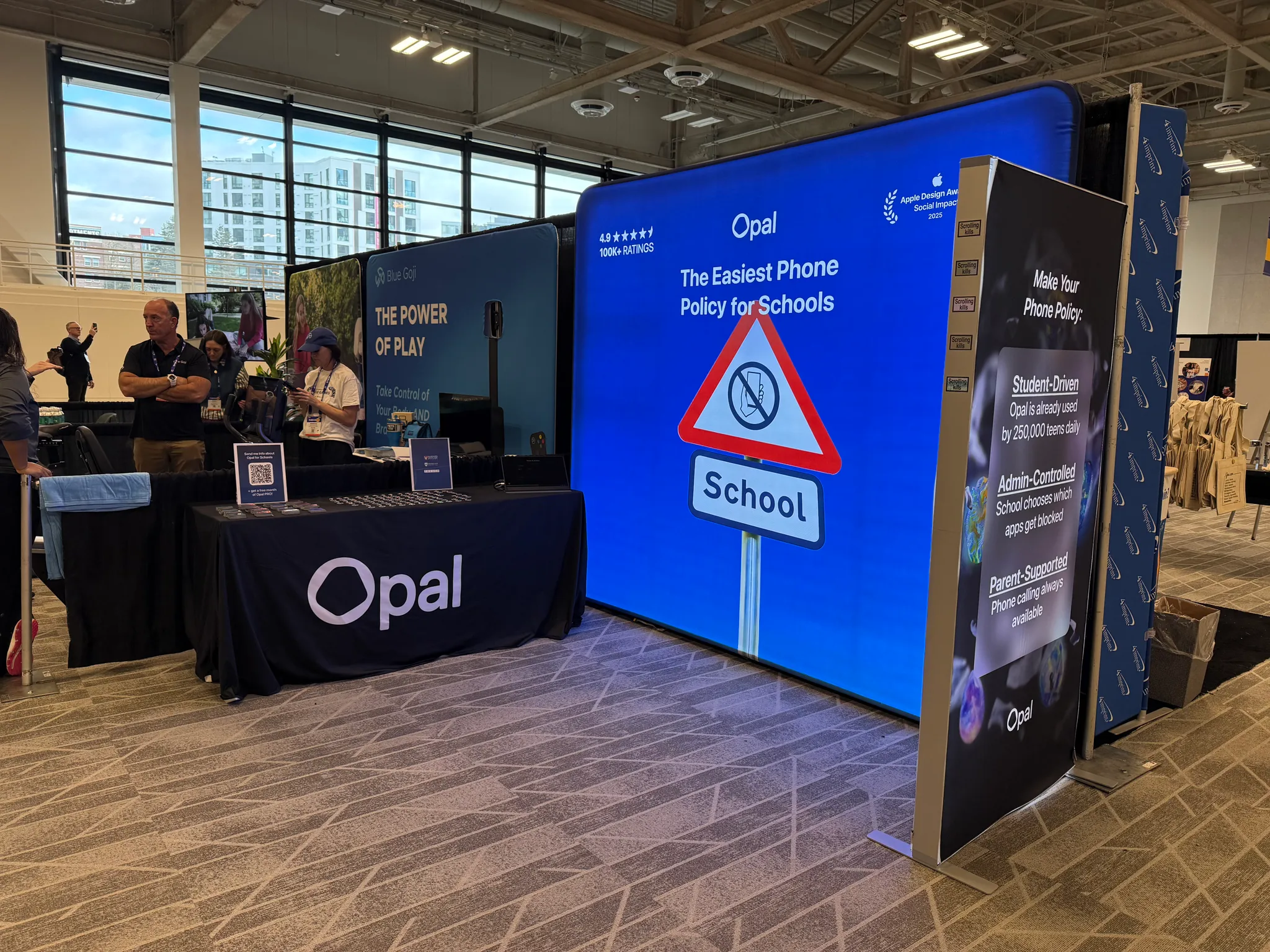
For years, this was debated in theory - “maybe these products are like cigarettes.” Perhaps you know we at Opal even ran a billboard that said “Scrolling Kills.”
Today, a court treated it that way.
This creates both real risk and a massive opportunity.
We could see a wave of litigation that doesn’t just punish bad actors, but slows down or constrains technologies that have enormous potential for good. When courts start regulating product design, the line between innovation and liability gets blurry, and you can have less innovation.
What's certain today is that:
1. Product design is no longer neutral
Engagement loops now carry legal consequences, not just business upside.
2. The narrative has flipped
From “user responsibility” to “system responsibility”
3. This is likely the first domino
If this holds, it won’t just mean multiple $Bn in fines (there are hundreds of similar cases to follow), it will force fundamental product changes in Sillicon Valley and tech at large.
This is a wake-up call for how we build.For years, the industry optimized for time spent. That incentive inevitably leads to extraction, not value.
Now there’s an opening to do it differently:
- Build products that align with users’ long-term wellbeing
- Create metrics beyond engagement
- Redefine what “great product” actually means
I think the winners in this next era won’t be the ones who capture the most attention. They’ll be the ones who give it back.
My bullish case is this doesn’t kill social media, but it does mark the beginning of a new standard and exciting innovation in this space.
.png)
.svg)


.jpg)